Lifecycle thinking
Evaluate construction, operation, maintenance, supply, upgrades, and end-of-life impacts.


Popular
All languages
Your preference is saved. Some pages may still appear in English while translations are added.
IMPACT / ENVIRONMENTAL STEWARDSHIP
Vexium’s environmental direction connects site planning, water, energy and surrounding communities. Stewardship starts with understanding the local conditions and the responsibilities attached to a project.
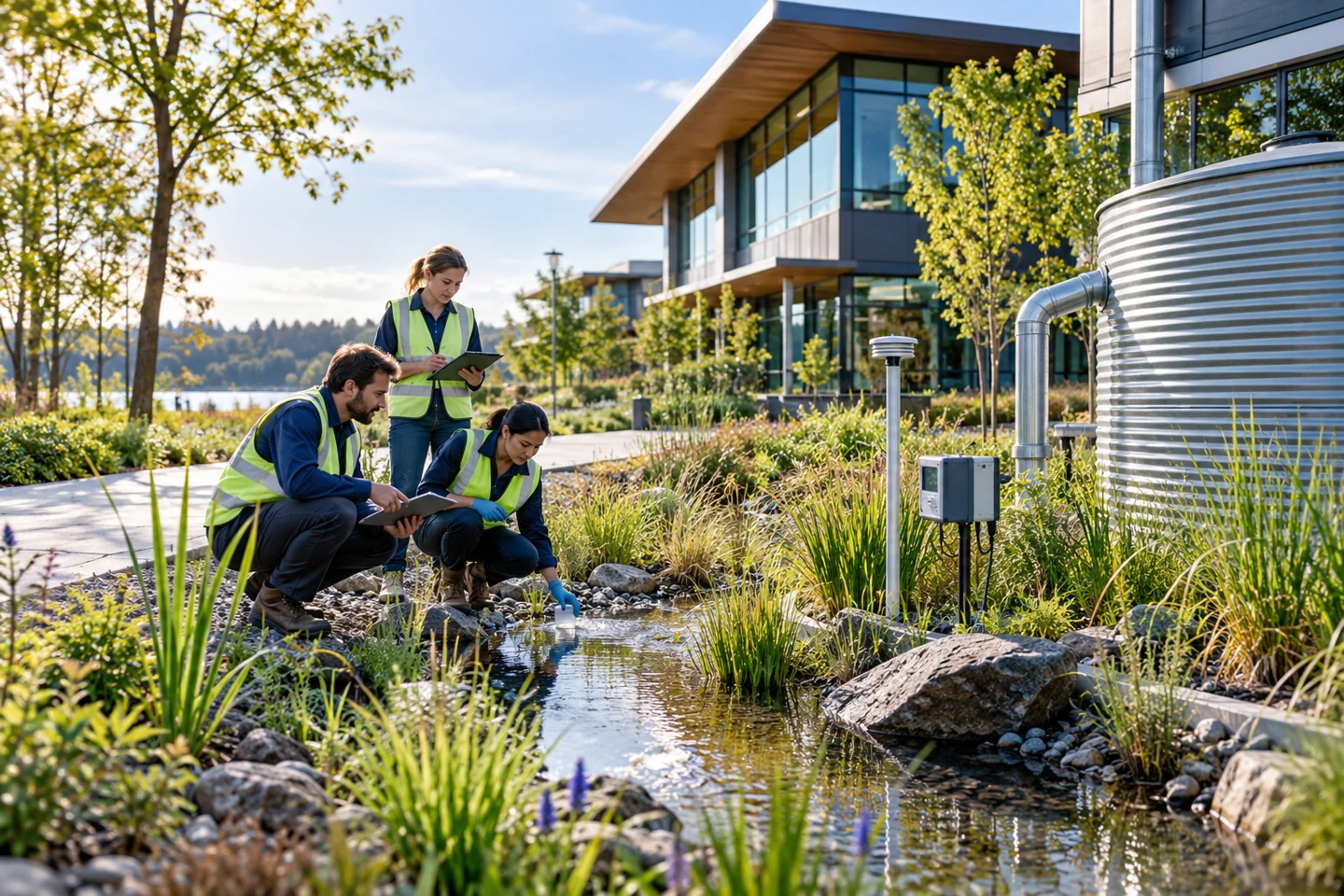
THE STORY BEHIND THE SYSTEM
Resource availability, neighboring uses, drainage, noise, access and relevant approval requirements shape infrastructure development. Vexium considers those conditions alongside the commercial and technical design. The purpose is to bring environmental context into decisions early, with qualified engineering and applicable reviews determining the project’s approach.
CONNECTED CONSIDERATIONS
IMPACT / ENVIRONMENTAL STEWARDSHIP
Evaluate construction, operation, maintenance, supply, upgrades, and end-of-life impacts.
Use verified methods, baselines, sources, and transparent limitations.
Adapt infrastructure to community, ecological, water, air, and land constraints.
ON THIS PAGE
THE VEXIUM APPROACH
A responsible account of progress separates objectives from measured outcomes. Water and energy records, project boundaries and documented assumptions help explain what the company can say about a site. Concept imagery is not evidence of environmental performance. Our direction is to support stewardship through clear responsibilities, qualified expertise and information that remains understandable as projects and partnerships evolve.
IMPACT
Vexium should evaluate upstream energy, water demand, equipment, construction, land use, logistics, and maintenance rather than rely on a single headline metric.
IMPACT
Uptime, leak prevention, energy efficiency, routing, maintenance, and demand management can reduce waste while improving economics.
IMPACT
The company should clearly label estimates, models, demonstration data, and externally verified results.
WHAT FUELS YOU FUELS US